
Meaning & Background
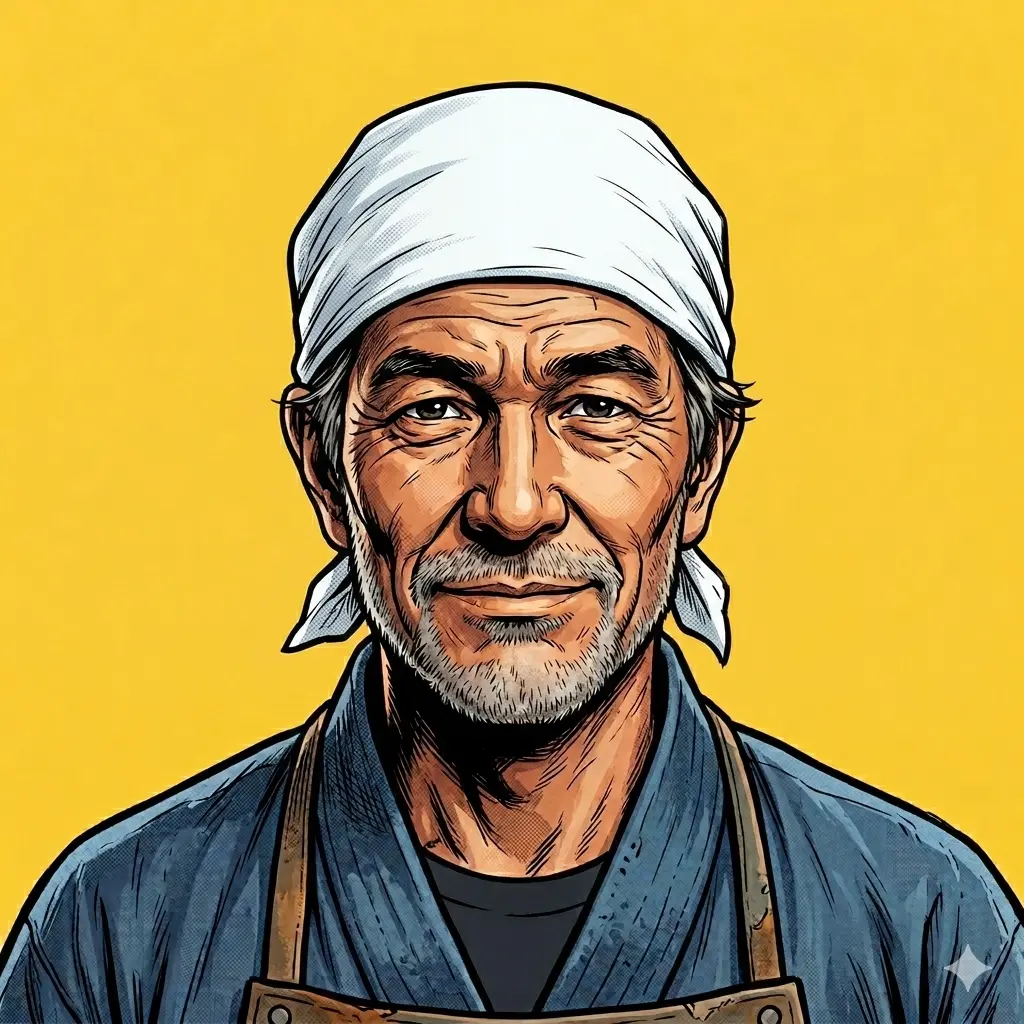
Toshiro Mifune (1920-1997) was a towering figure in Japanese cinema, widely regarded as one of the greatest actors in film history. Born in Qingdao, China, to Japanese parents, Mifune's acting career began after World War II when he joined Toho Studios. He rose to international fame through his prolific collaborations with director Akira Kurosawa, starring in 16 of Kurosawa's films between 1948 and 1965, including masterpieces like "Rashomon," "Seven Samurai," "Yojimbo," and "Sanjuro."
Mifune's distinctive acting style was characterized by his explosive energy, powerful physical presence, and a unique blend of intensity and nuance. He often portrayed rugged, anti-heroic figures, from valiant samurai to desperate farmers, imbuing them with a raw vitality and complex humanity that transcended cultural barriers. His performances were not merely theatrical but deeply embodied, making him an enduring symbol of the samurai warrior in the global imagination.
Beyond Kurosawa, Mifune also worked with other notable directors and appeared in international productions, including "Grand Prix" (1966) and "Red Sun" (1971), further cementing his status as a global icon. His influence on acting and filmmaking is profound, inspiring countless actors and filmmakers, and his legacy continues to shape the understanding of Japanese cinema and culture worldwide.
Bringing It Into Your Life
Experiencing Toshiro Mifune's work today is like stepping into a masterclass of cinematic storytelling and raw human emotion. His films are more than just historical pieces; they are gripping narratives that explore universal themes of justice, honor, and survival, all brought to life by his unforgettable presence. Begin by watching his most celebrated collaborations with Akira Kurosawa, which are readily available on streaming platforms and in beautifully restored Blu-ray editions. Pay close attention to his non-verbal communication—the glint in his eye, the tension in his posture, the subtle shifts that convey deep meaning without a single spoken word.
To truly appreciate his impact, consider the context of his time. The post-war era in Japan was one of immense change and introspection, and Mifune's characters often reflected that turbulent spirit. You might find parallels between his rugged individualism and the complex protagonists found in modern anime or graphic novels, proving the timeless appeal of his archetypes. Think of him as the original 'cool anti-hero' that inspired so many characters you love today.
Don't be afraid to revisit his films multiple times. Each viewing can reveal new layers of performance, direction, and cultural insight. Engage with film analysis and historical commentary online or through books to deepen your understanding of his artistry and the revolutionary impact he had on world cinema. His legacy is a rich tapestry, waiting to be explored by new generations of cinephiles.
Related Tools & Books
- "Seven Samurai" (Blu-ray/Streaming): An epic masterpiece showcasing Mifune's dynamic range and iconic samurai portrayal. Essential viewing.
- "Yojimbo" (Blu-ray/Streaming): Features Mifune as the ultimate lone wolf ronin, a role that influenced countless Westerns and action films.
- "Rashomon" (Blu-ray/Streaming): A groundbreaking film where Mifune plays a bandit, demonstrating his intense physicality and complex character portrayal.
- "The Emperor and the Wolf: The Lives and Films of Akira Kurosawa and Toshiro Mifune" by Stuart Galbraith IV: An in-depth biography exploring their legendary partnership.
- Criterion Collection Blu-ray Box Sets: Many of Mifune's Kurosawa films are released by Criterion, offering superior picture quality and insightful extras.