
Dialogue

AlexAlex
Sensei, I rewatched Princess Mononoke, and it's so intense! The forest gods, the humans fighting... What's the deal with 'Mononoke' itself?
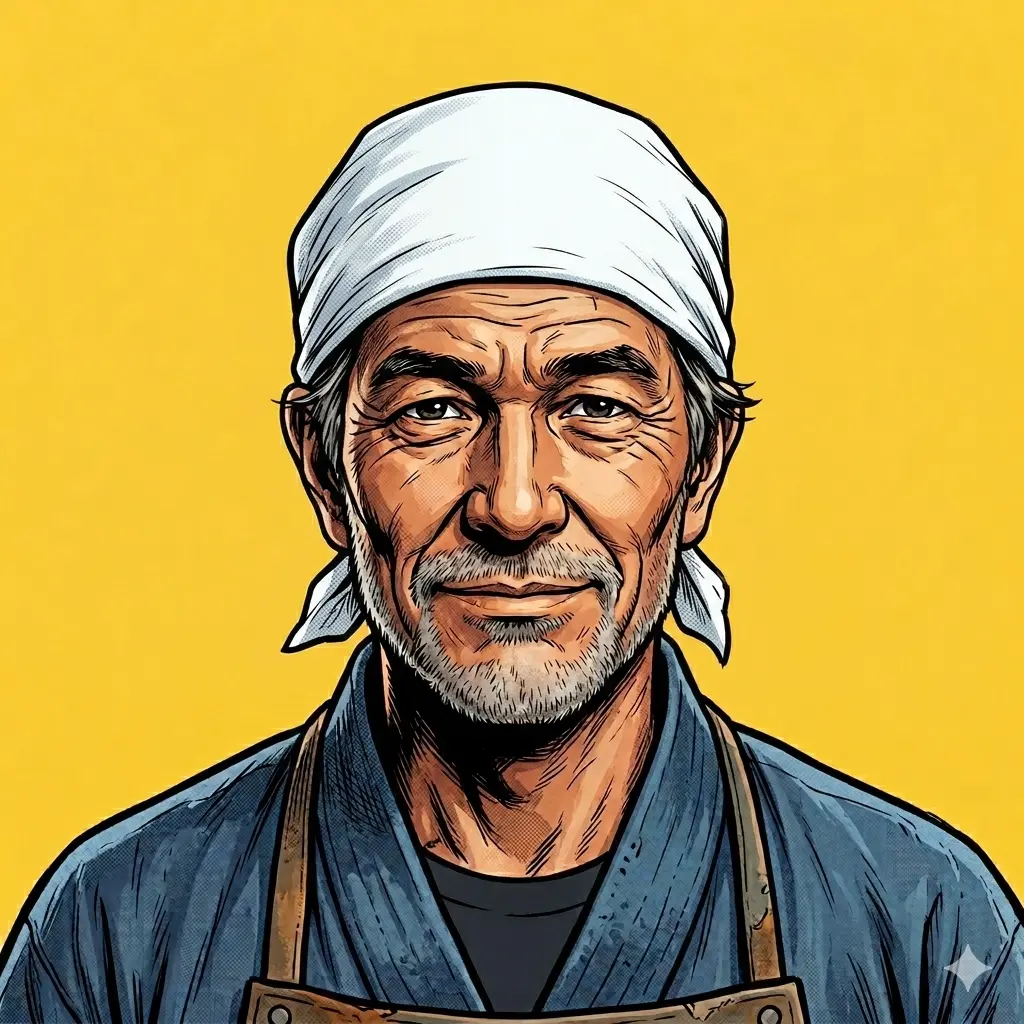
GenGen
Ah, *Mononoke Hime*! A masterpiece. 'Mononoke' literally means something like 'vengeful spirit' or 'strange thing,' a supernatural entity. Think of it like a powerful force of nature, or even a 'kaiju' but one born from ancient fear and respect, not just destruction. It ties into the animistic beliefs of ancient Japan, where everything, from trees to mountains, had a spirit, a *kami*.
AlexAlex
So it's not just a monster, but a deeper spiritual concept? Like the gods in the Ghibli movie, they were so grand, but also... vulnerable.
GenGen
Exactly. Miyazaki didn't invent these concepts; he tapped into the deep wellspring of Shinto and folklore. The film's 'Forest Spirit' is the ultimate *kami*, a life-giver and death-bringer, reflecting the ambivalent reverence ancient Japanese held for nature. It's like how in modern fantasy, powerful entities often embody both creation and destruction, a perfect balance.
AlexAlex
That makes sense. And the conflict between Tatara Ba and the forest felt so real, almost like a historical documentary about industrialization. Was there really such a clash?
GenGen
While *Mononoke Hime* is fiction, the themes are historically resonant. Early iron smelting, like the *tatara* in the film, required immense charcoal, leading to deforestation. This often pitted human progress against nature's resilience, echoing real struggles during periods like the Muromachi era, where new technologies began to impact the environment significantly. It's a primal story, like a classic Greek tragedy but with Japanese spirits.
AlexAlex
Wow, it's deeper than just a cool anime! I want to understand more about these ancient Japanese beliefs. Are there any good resources?
GenGen
Definitely! To dive deeper, I'd recommend starting with books on Japanese folklore or introductory texts on Shinto. You could also rewatch the film with a focus on its ecological messages. For a tangible connection, perhaps look into Japanese woodworking tools – the respect for timber is a direct link to that ancient reverence for trees!
GenGen
This term belongs to the #Heisei era and the #Anime category . If you enjoyed this, explore other stories from the same era!

Meaning & Background

Through its breathtaking animation and profound storytelling, "Princess Mononoke" became a global phenomenon, critically acclaimed for its artistic merit and its powerful, timeless message. It invites audiences to reflect on the delicate balance between progress and preservation, and the enduring spiritual connection between humanity and the natural world, echoing a worldview deeply rooted in Japan's pre-modern history and philosophical thought.

Bringing It Into Your Life

For those interested in the cultural underpinnings, delving into introductory books on Shintoism, Japanese folklore, or the animistic traditions of the Jōmon period can provide a richer context. Understanding the historical development of iron-making (tatara) in Japan and its impact on the environment further illuminates the film's ecological warnings. "Princess Mononoke" thus becomes a gateway to exploring deep facets of Japanese culture, history, and a universal message about coexistence.

"Princess Mononoke" Blu-ray/DVD: Essential for experiencing the film's visual and auditory masterpiece.,"The Art of Princess Mononoke" book: Offers insights into the film's concept art, storyboards, and Hayao Miyazaki's creative process.,Books on Japanese folklore and Shinto: To understand the animistic beliefs and spiritual entities that inspired the film.,Documentaries on Yakushima: Provides visual context for the ancient forests that may have influenced the film's natural settings.

FAQ

What is Princess Mononoke?
Princess Mononoke is a critically acclaimed 1997 animated fantasy film directed by Hayao Miyazaki and produced by Studio Ghibli. It tells the story of a young prince, Ashitaka, cursed during a battle with a demon, who seeks a cure in a forest inhabited by powerful animal gods and a human girl raised by wolves.
What does 'Mononoke' mean in Japanese culture?
In Japanese, 'Mononoke' (物の怪) refers to vengeful spirits, supernatural beings, or mysterious entities that are believed to cause illness, disaster, or other misfortunes. In the film, it symbolizes the powerful, often wrathful, spirits of nature that react to human encroachment.
How did the themes of Princess Mononoke originate?
The film's themes draw from ancient Japanese folklore, Shinto animism, and historical issues of early industrialization. Miyazaki explored the conflict between human expansion, particularly iron smelting, and the natural environment, reflecting real historical pressures on forests and the changing relationship between people and the land during periods like the Muromachi era.
How is Princess Mononoke enjoyed today?
Today, Princess Mononoke is enjoyed globally as a cinematic masterpiece, often viewed and discussed for its complex themes of environmentalism, human-nature relations, and moral ambiguity. It is frequently revisited by fans of Studio Ghibli and serves as a starting point for exploring Japanese culture and philosophy.
Is the message of Princess Mononoke still relevant in modern Japan?
Absolutely. The film's message about the critical balance between human progress and environmental preservation remains highly relevant, both in modern Japan and globally. It continues to spark conversations about ecological responsibility, resource management, and the ethical dilemmas faced by societies striving for development while safeguarding nature.