
Meaning & Background
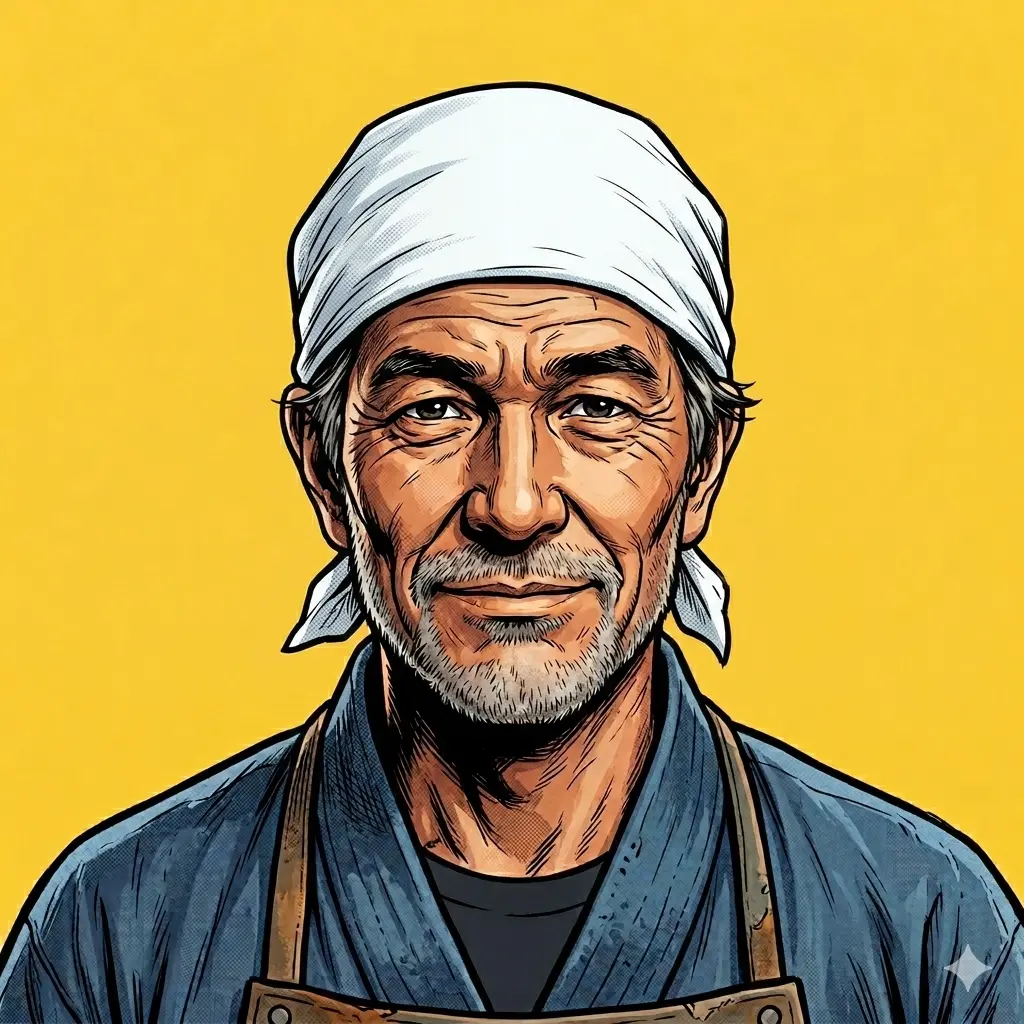
Koreeda Hirokazu is one of Japan's most distinguished contemporary film directors, screenwriters, and producers, widely celebrated for his deeply humanistic and contemplative approach to filmmaking. Born in Tokyo in 1962, Koreeda initially pursued a career in television documentaries, a background that profoundly shaped his distinctive style characterized by a subtle, observational camera and a profound empathy for his characters. His works often explore themes of family — both biological and chosen — memory, loss, and the quiet struggles of everyday life within modern Japanese society.
His films frequently delve into the complexities of human relationships, challenging societal norms and definitions of 'family' without offering simplistic answers. Instead, Koreeda invites viewers to reflect on the nuances of ethical dilemmas and the unspoken emotions that bind or separate individuals. His significant international acclaim includes the Palme d'Or at the Cannes Film Festival for "Shoplifters" (Manbiki Kazoku, 2018), and numerous other awards for films such as "Like Father, Like Son" (Soshite Chichi ni Naru, 2013) and "Still Walking" (Aruitemo Aruitemo, 2008). His work is recognized for its quiet intensity, realistic dialogue, and a profound ability to find beauty and meaning in the mundane.
Bringing It Into Your Life
Engaging with Koreeda's cinema is an invitation to slow down and observe the world with greater sensitivity. Rather than merely following plots, his films encourage a deeper connection to the subtle gestures, pauses, and everyday sounds that reveal the true essence of his characters' lives. It’s an opportunity to practice 'active watching,' where you pay attention not only to what is said but also to what remains unsaid, to the nuanced expressions and the quiet moments between people.
His films often prompt self-reflection, making you ponder fundamental questions about family, identity, and societal values. After watching a Koreeda film, consider discussing its themes with friends or family; such conversations can deepen your understanding of human connections and perhaps even shed new light on your own experiences. Embracing his observational lens can inspire you to find beauty and significance in the ordinary moments of your daily life, much like appreciating the quiet artistry in a well-composed photograph or a meticulously crafted piece of pottery.
Related Tools & Books
- Shoplifters (万引き家族): Winner of the Palme d'Or, this film is a powerful exploration of a 'found family' and their struggles, offering deep insights into Koreeda's themes.
- Like Father, Like Son (そして父になる): A poignant drama that questions the meaning of parenthood and the ties that bind us.
- Still Walking (歩いても 歩いても): An intimate and tender portrait of a family gathering, full of subtle observations about memory and loss.
- Our Little Sister (海街diary): A gentle and warm film about four sisters living together in Kamakura, celebrating their bonds and shared lives.
- After the Storm (海よりもまだ深く): Explores themes of unrealized dreams and family reconciliation with Koreeda's signature compassionate touch.